For many, the concept of seeking mental health support can be daunting. To sit and unravel one’s self and the trauma they carry can be an intimidating ordeal. However for many residents of the Central Valley who belong to the LGBTQ+ community, getting to a counselor’s office in the first place is an arduous journey in itself.
Three years ago, Lexey Jenkins (she/her/hers), 20, was hesitant about receiving mental health services due to the negative stigma of whether counseling was going to be helpful or not.
More importantly, she was worried about her counselor not being accepting of her queer identity, but during a conversation with her counselor, those worries were soon gone.
“I eventually started talking about having a girlfriend at the time, so obviously that revealed my identity, right?” Jenkins said. “They [counselor] reacted very well. They have been very supportive since then, which was a pleasant surprise.”
Jenkins is one of many Fresno State students who identify as LGBTQ+ and is receiving mental health services to treat her anxiety. Counseling has helped with her ability to control such feelings.
However, Jenkins’s journey to receiving mental health services hasn’t always been easy. She tried seeking counseling from the Fresno State Counseling Center but never really made any progress due to a backlog of students.
Changes in Fresno State
In 2022, Katherine Fobear, an Associate Professor of Women’s, Gender, and Sexuality Studies at Fresno, alongside the college faculty and staff from LGBTQ Plus Allies Network, organized and mobilized to get the Student Health Center to provide gender-affirming care and to advocate for better training.
“Our argument was that previously this has been an issue at Fresno State around access to gender-affirming care at the Student Health Center for years,” said Fobear. “As well as discrimination and mistreatment of LGBTQ+ students at the Student Health Center by both the counselors as well as the medical side,”
As a result, in the Spring of 2022, under Fresno State President Saul Jimenez-Sandoval’s orders, the Student Health Center agreed to provide HRT in the form of bringing in a doctor once a month to provide better training for the staff, the counselors, and the medical providers.
Fobear’s mission is to implement a model at Fresno State similar to California Polytechnic State University, San Luis Obispo, where LGBTQ+ students can receive gender-affirming medical and counseling services.
Cal Poly’s Campus Health and Wellbeing Center offers LGBTQ+ students with hormone therapy, gender-affirming PAP testing, and individual, group, and couples therapy. Furthermore, the center has a gender-affirming care team of counselors who provide mental health and medical services to LGBTQ+ students.
Gender-affirming care at Cal Poly is covered by student health fees and doesn’t require an additional co-pay fee or a referral.
Problems with healthcare in the Valley
The Central Valley isn’t up-to-date with gender-affirming mental health services offered to the LGBTQ+ community compared to progressive cities like San Francisco or Los Angeles.
Moreover, a distinctive issue has presented itself in the Central Valley: there is a sizeable LGBTQ+ community, but not enough mental health professionals to service them. Many counselors and therapists are ill-equipped to handle the unique challenges that LGBTQ+ people face, such as harassment, discrimination on a social and political degree, and isolation.
Not all mental health professionals are educated on the difficulties a transgender or non-binary person faces in their daily lives. This leads to further isolation, expensive trips outside of the Valley to seek adequate care, and even suicidal ideation by those that are unable to access suitable mental health guidance.
The Trevor Project, a non-profit organization that seeks to help LGBTQ+ youth, found in their “2023 U.S. National Survey on the Mental Health of LGBTQ Young People” that 41% of LGBTQ +young people considered attempting suicide in the past year and 56% of LGBTQ+ young people who sought out mental health care in the past year were unable to receive any.
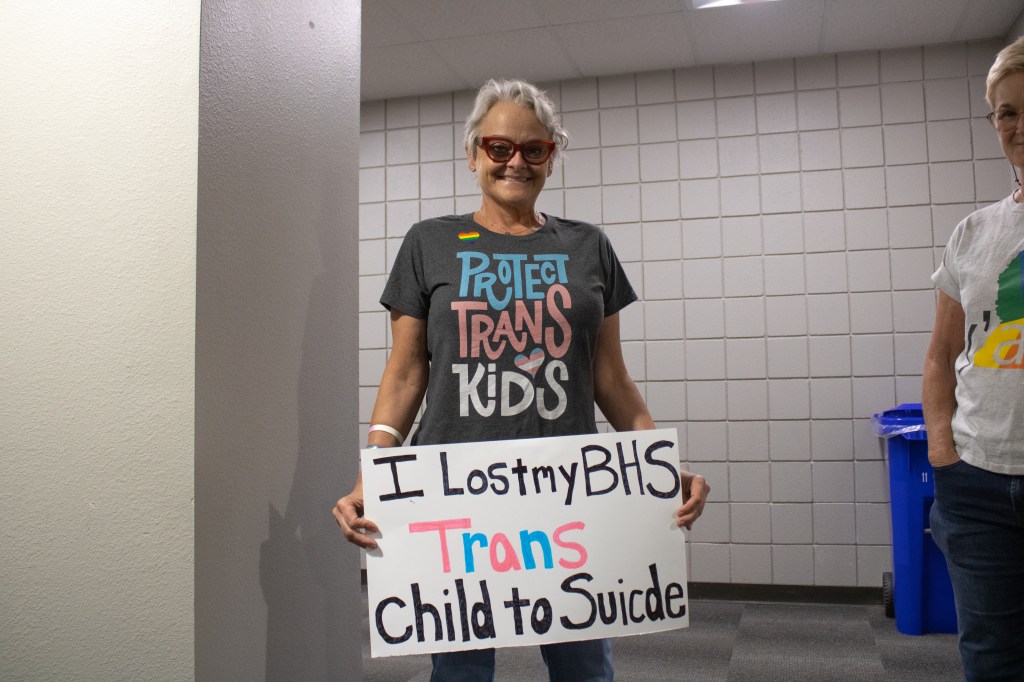
Crow Fitzgerald, an associate clinical social worker with a Masters in Social Work, finished their thesis, “Barriers To Accessing Gender Affirming Mental Health Care in California’s Central Valley For Transgender And Non-Binary Individuals” earlier this year. Fitzgerald, who themselves are gender-queer and blind, interviewed 43 transgender and non-binary people of varying backgrounds, and found common themes between them that included:
“Negative experiences with mental health providers (with the sub themes of transphobia, gatekeeping, conversion therapy, and therapists not informed in providing gender-affirming care) biopsychosocial experiences (with the sub themes of eating disorders/disordered eating, substance abuse, domestic/intimate partner violence, hospitalization for mental health reasons, and homelessness), and barriers to accessing care (with the sub themes of issues with locating a therapist who was informed in providing gender-affirming care and insurance barriers).”
The inability to find a therapist or counselor who was educated on LGBTQ+ experiences worsens the mental health of transgender and non-binary individuals.
“A lot of people did not find a therapist that was accepting of transgender people or were trained to help transgender people,” Fitzpatrick said in an interview. “This required them to find help outside the Central Valley, and sometimes insurance doesn’t cover it, so it was very expensive. Even the handful of therapists [and] counselors who are trained are in such a high demand that they are often booked for months.”
Complicating the issue further is the issue of mental health professionals often not being educated enough on other cultures and the unique problems that people of those cultures face.
“Another thing that came up a lot, many people wanted therapists to understand them and know how to treat someone of a different sexual identity and religion and not just understand their transgender identity. It’s all intersectional. We don’t experience being transgender by itself, you experience it as a trangender person of color too, so all of these factors affect how a person experiences daily life,” Fitzpatrick said.
Solutions to the problem
The community can find a counselor who provides gender-affirming services. However, the most crucial part of this process is finding a counselor that’s the most fitting for the individual.
“It’s important to find a clinician that is a good match and especially in these kinds of cases, regardless of the clinicians, areas of specialization match are particularly important that you find somebody that you’re comfortable talking to,” said Chris Miller, an Assistant Professor of Biological Psychology at Fresno State.
According to Miller, online websites such as Psychology Today can be very useful in locating a gender-affirming counselor in the Central Valley.
“Students or any anyone, students, staff, faculty, they can use this tool to very conveniently and quickly locate LGBTQ+ affirming therapists throughout the state and look at a variety of other data associated with those therapists throughout the state,” Miller said.
Since the COVID-19 pandemic, teletherapy has opened the opportunity for the LGBTQ+ community to meet with clinicians and counselors to receive mental health services. More importantly, new research shows that teletherapy is a feasible option.
According to a new survey from YouGov for Forbes Health found that more than 1,200 U.S. adults found a staggering 63% of people who tried teletherapy found it to be effective.
“10-20 years ago, this was much less feasible. But now fortunately this is much more of an option, and it provides people who live in more remote areas or in areas where there’s less services available or scheduling is difficulty with much broader options in this case throughout the state,” Miller said.
The most obvious solution to the Valley’s problem is to train more mental health professionals with knowledge of LGBTQ+ identities and the unique issues they face. However, Fitzpatrick’s research suggests that such a simple solution would not be as effective as initially deemed.
As previously mentioned, deteriorating mental health wellness is not the only problem that occurs within the lives of LGBTQ+ individuals. Interpersonal violence, eating disorders, substance abuse, and anxiety over social and political perceptions of the LGBTQ+, especially those who are transgender or non-binary, all intensify the aforementioned struggles with mental health wellbeing.
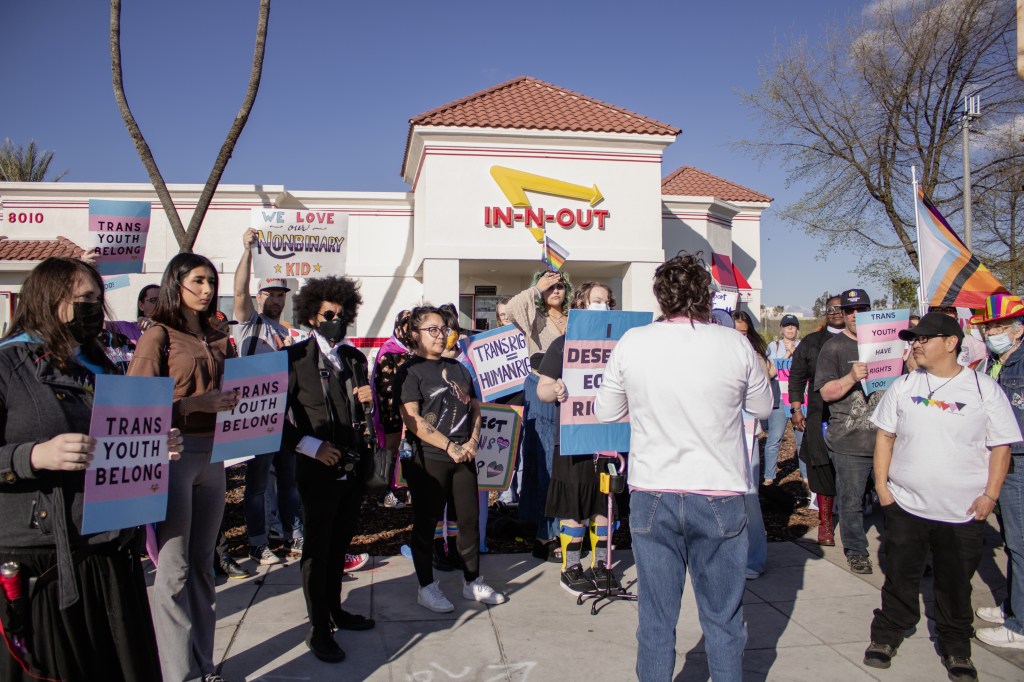
Fitzpatrick also recommends that there needs to be more social inclusivity within the Valley and immediate community.
“There needs to be more accessible, inclusive events for the LGBT community of the Central Valley…having events that are accessible to everyone helps build community connections for individuals and helps build community and individual resiliency,” they wrote.
Solutions in other places: University of Utah
Some universities offer dedicated transgender healthcare. The University of Utah has a health program dedicated to transgender health, where students are guided through a process in which they can be connected with local healthcare providers to receive gender-affirming care and surgery. The program also hosts information seminars about the services they offer regarding transmasculine and transfeminine procedures.
Josie Jesse, who was the first individual to receive comprehensive gender-affirming at University of Utah Health, described her happiness after her care.
“I definitely feel complete. I feel whole. But that doesn’t describe it… that doesn’t even begin to describe it,” Jesse said.
With this in mind, the university’s care is not perfect. The care they offer and refer patients to is not free and patients must have two letters of support from medical professionals before they can undergo any surgical procedures.
San Francisco
The City of San Francisco offers health providers online classes to educate them on transgender health and mental health training.
Topics range from patient referrals to appropriate transgender healthcare, training on gender health, guidelines for primary care, and classes that teach health care professionals how to be respectful and supportive of non-binary people.
The limiting factor about these trainings is that health care providers must seek them out; they are not a part of the core training that healthcare professionals in San Francisco are required to learn about.
New York City
The Mayor’s office in New York City has a comprehensive list of resources for LGBTQ+ people, even resources that cater specifically to Black, Indigenous and people of color (BIPOC) who identify as members of the LGBTQ+ community.
The list also includes a searchable database for people to find LGBTQ+ friendly therapists. Furthermore, it dives into resources for homelessness, tele-health services, substance abuse, trauma and more.
The primary limitation about the resources offered and referred to by the Mayor’s office is that they are not all free. Many of the resources were free, but only for the duration of the COVID-19 pandemic. Those that are free offer a limited amount of help.
Moving forward in the Valley
Despite the limitations that other cities see in their resources, many of them still strive to be welcoming and accommodating to members of the LGBTQ+ community. As Fitzgerald highlighted, the Central Valley would benefit from creating a more accessible and accepting environment for the LGBTQ+ community. Doing so would not only make more resources available by lessening the stigma against LGBTQ+ mental health, but it would also reduce the amount of stress the community feels if they were represented more within the community.
 Flourishing Fresno